Resistant Starch, butyrate and why you should eat more potatoes to lose weight*
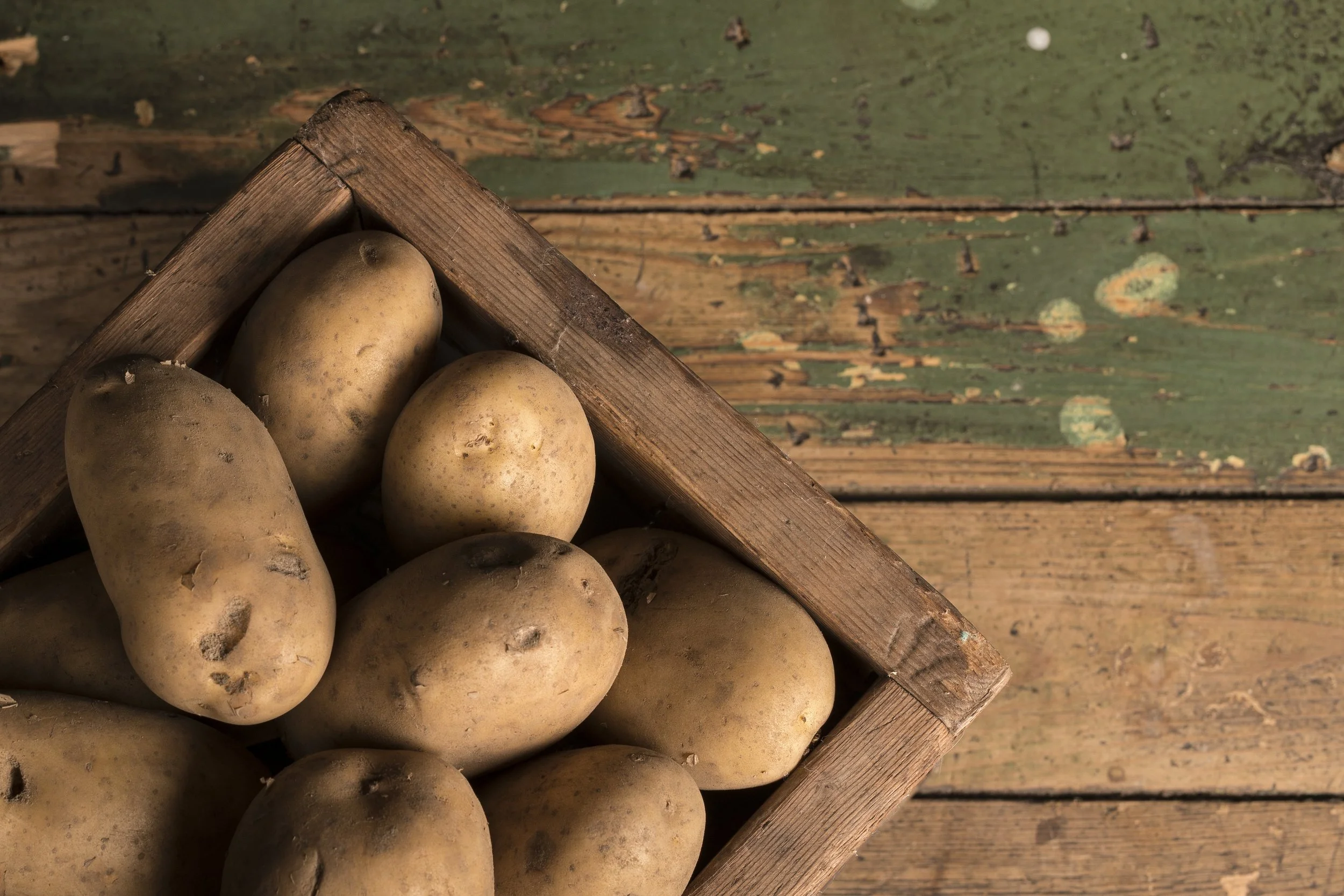
Resistant starch, while not a traditional fibre, acts in a similar way. It’s the part of starchy foods (approximately 10 per cent) that resists normal digestion in the small intestine. This means, like fibre, it passes on to the colon undigested; thus, resistant starch acts more like a prebiotic than a typical starch.
Once it arrives in the colon, good gut bacteria feed on it, particularly Bifidobacterium, leading to increased production of short chain fatty acids like butyrate. Butyrate is the preferred energy source of the cells lining the colon, so it’s crucial to them maintaining their structural integrity and producing adequate mucin. Colonocytes (colon cells) deprived of butyrate = “leaky gut” (or intestinal hyperpermeability). No amount of glutamine, zinc or turmeric will heal a leaky gut if your microbiome isn’t producing enough butyrate.
And now for the part everyone cares about – how eating more potatoes will help you lose weight*. Butyrate is crucial for controlling appetite and supporting metabolism: it signals the enteroendocrine cells (specialized hormone-producing cells scattered throughout the gastrointestinal tract and pancreas) to release signalling molecules that regulate metabolism (these act directly on adipocytes to liberate fat as a fuel source), satiety and blood glucose control. These include ghrelin, peptide YY and a little-known hormone called glucagon-like peptide 1 (aka GLP-1. Lol).
A leaky gut has also been linked to obesity via the low-grade systemic inflammation it causes, while a dysbiotic microbiome (i.e. bad bacteria in the colon), which is the direct result of not eating enough prebiotics like RS, drives the body to extract more calories from your food than people with healthy microbiomes. So, while everyone talks about the importance of getting enough protein whilst using GLP-1 agonists, fibre is equally important.
Other benefits of butyrate-
- It suppresses inflammatory signals throughout the whole body. Long-standing low-grade inflammation is now recognised as the cornerstone of all chronic disease
- Supports healthy digestion: when butyrate levels are reduced small intestine motility is slowed to increase nutrient absorption. This can lead to constipation and treatment-resistant SIBO (small intestinal bacterial overgrowth). RS also directly reduces constipation because it bulks and softens stool, which helps regularity
- Prevents IBD (inflammatory bowel disease)
- Reduces hepatic cholesterol synthesis, which drives fatty liver and diabetes
- Associated with a reduced risk of colorectal cancer: adequate butyrate inhibits the growth of pathogenic organisms and formation of toxic and carcinogenic compounds. Most people don’t know that bowel cancer is the third most commonly diagnosed cancer and the second leading cause of cancer-related deaths worldwide. What’s particularly scary is that its incidence in young adults is skyrocketing, growing by nearly 3% per year while rates are actually falling in older adults. And it is now the leading cause of cancer-related death among young adults.
Foods that contain resistant starch:
There are four types of RS, with types three and four being the most important for gut heath. They are found in many unprocessed cereals and grains, unripe bananas, potatoes and lentils. The biggest sources include:
- Cooked, cooled and reheated potatoes - in one study, cooking and then cooling potatoes overnight increased their resistant starch content by 280%
- Cooked, cooled and reheated rice
- Cooked and cooled legumes such as lentils (+/- reheating)
- Canned navy beans, butter beans, red kidney beans, chickpeas and fava beans
- Green bananas and raw green banana flour
- Cooked barley
- Raw potato starch
Ways to increase resistant starch in your diet:
Consumption of up to 20g of resistant starch has been recommended to obtain health benefits. Unfortunately, this is around four-times higher than what is consumed in the standard Australian diet. But make sure you work up to this! As with all fibres, going from zero to 100 overnight is going to end very badly for you!
- Potato salad with cooked, cooled (and ideally reheated) potatoes
- Frozen green bananas (or green banana starch) in a smoothie
- Warm rice pudding (using cooked and cooled rice) made with coconut milk and blood-sugar-balancing Ceylon cinnamon
- Serve any rice cooked, cooled and reheated. Include healthy fats when cooking rice. When these are cooked together, the oil binds to the digestible starch in the rice and enhances the conversion to RS. One study found this increased the amount of RS by 10-15x as well as reducing its calories by up to 50-60%. The result is essentially low carb rice
- Persian rice (Tahdig) or fried rice using cooked and cooled rice
- Bean salad made with canned butter beans, red kidney beans and fava beans
- Bircher muesli
A Sample 20g+ Daily Menu:
- Breakfast: Overnight oats/Bircher with 1 tablespoon raw potato starch (approx. 7-8g RS)
- Lunch: A large salad with 1 cup canned beans (approx. 5-7g RS)
- Snack: One very green banana (approx. 4-6g RS) or yoghurt with 1 tablespoon green banana starch mixed in
- Dinner: A small serving of cooked and cooled pasta or rice (approx. 2-3g RS)
Tips for working with cooked and cooled foods:
- Make sure you cool it in the fridge for at least 12-24 hours – this is how long the conversion to RS takes
- When reheating cooked and cooled foods don’t heat above 80°C, or this will destroy the RS.
Tips on how to safely store and handle rice:
- Place freshly cooked rice into the fridge within 1 hour of it being cooked
- Rice should be kept in an airtight container in the fridge. Refrigeration inhibits bacterial growth
- Rice can be kept in the fridge for up to 4 days if stored properly. I personally make smaller batches and aim to eat it within 2-3 days. I always think it’s always better to be on the safe side. I dispose of it after 4 days (if in doubt, throw it out!).
* Not really, but sort of.