The link between acne and diet
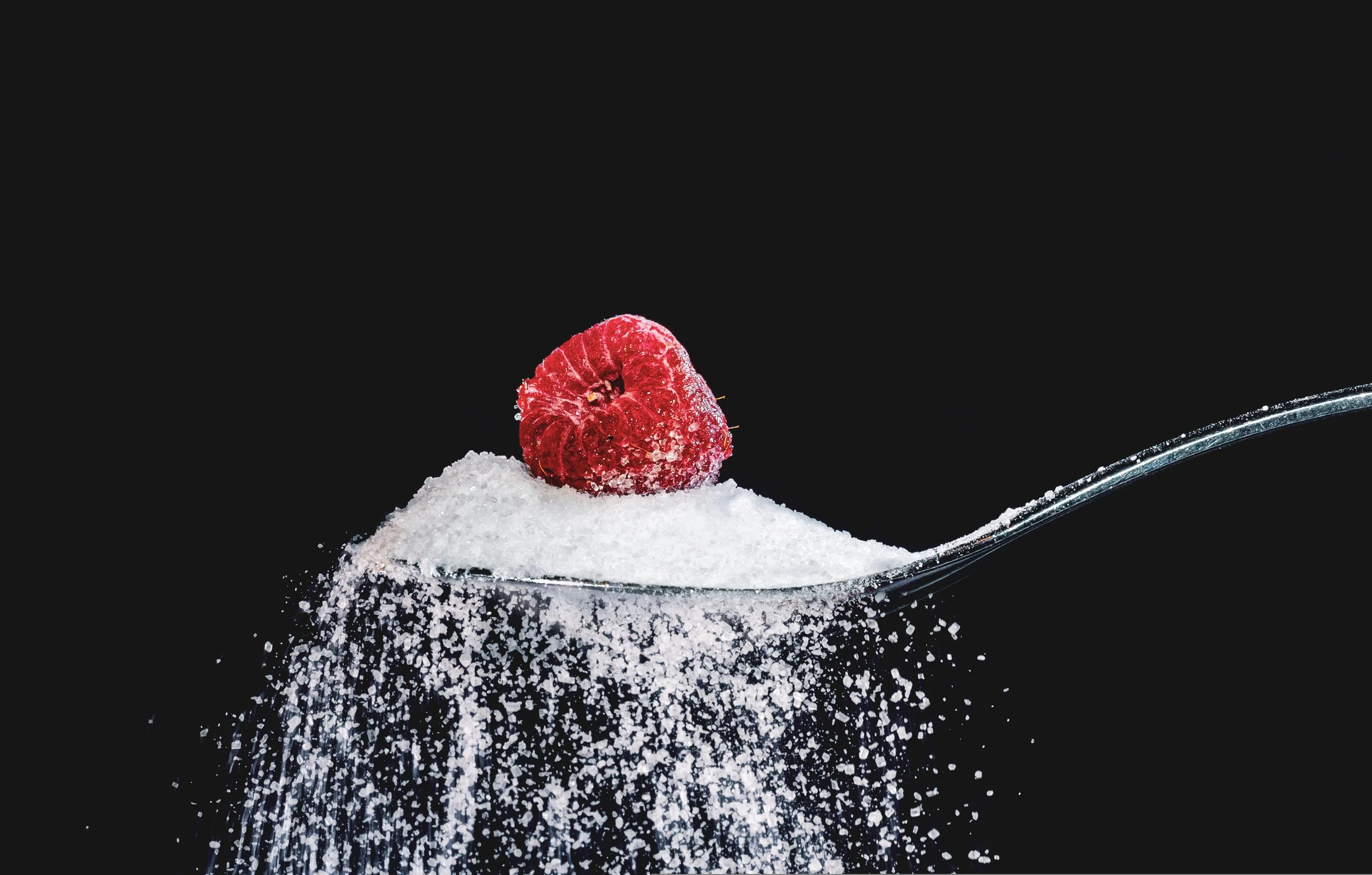
For far too long the role of diet in skin health has been dismissed. In the case of acne, this misconception occurred because of one faulty study. As early as the 1930s carbohydrate metabolism was considered fundamental to acne presentation, however, one, and only one, trial from 1969 led to the dismissal of dietary drivers of acne for decades to come. In this poorly designed study, the effect of daily consumption of a chocolate bar was compared to a control bar, with no significant differences in acne lesions noted between the two groups after 4 weeks. But the control bar, while not containing any chocolate, still had similar levels of cane sugar and a higher percentage of trans-fatty acids.
It has now been unequivocally proven that diet, and in particular sugar, has a direct impact on acne. A low GI diet for just 7 days has been shown to reduce the hormones that specifically cause acne, and another study using a low GI diet intervention over 12 weeks also showed a significant decrease in the amount and severity of acne lesions in participants.
High GI foods spike our insulin levels, which then cross-react with IGF-1 receptors in our skin. This is a growth factor pathway that triggers sebaceous gland proliferation and oil production. It also increases the conversion of androgens (male hormones) to more potent forms and upregulates our androgen receptors (so even normal levels of androgens have amplified signalling pathways).
The other major dietary driver of acne is dairy: dairy also spikes our insulin, as well as containing a plethora of hormones itself – think of what a cow’s milk does to a calf: it’s able to support exponential growth in a short period of time because of all the growth factors it contains.
Interestingly, one of the worst forms of dairy is skimmed products, because emulsifiers have been added to replace the creamy mouthfeel that’s usually provided by the fats that have been removed, and these decimate your gut lining, driving body-wide inflammation. Inflammation directly alters the consistency of sebum, making it stickier and more likely to block pores and cause acne.
If you’re struggling with spots, optimising your diet has to be a major priority, no matter if hormones, sluggish detoxification or stress are your major drivers.
Things to take out for three-four months to properly assess their impact on your skin-
- Refined sugar: think chocolate, lollies, soft drink etc. But don’t forget sugar creeps into most packaged foods, even if they’re labelled “natural” or “healthy”. Key examples include muesli, cereal, muesli bars, bliss balls…even things like pasta sauce! Check the label on EVERYTHING – make sure it has less than 10g of sugar per 100g (and also that you’re eating something akin to the serving size - if you eat the whole packet in a sitting, the sugar adds up pretty quickly!).
- Be careful of “natural” sugars such as maple syrup, honey and fruit juice – they will still spike your blood sugar and cause an insulin surge.
- Don’t forget low sugar foods can still be high GI – think potato, pasta and bread. Make sure you’re picking the healthy options (unrefined, whole grains such as brown rice or vegetable sources such as sweet potato/pumpkin/potato) and pair them with good fats and protein to lower their GI. For example, instead of inhaling the entire packet of plain corn thins (easily done), just limit yourself to 2 or 3 but serve them with avocado and tuna/turkey or a natural nut butter (and consider switching to a healthier option like seeded crackers). Another option is to eat cooked and cooled then reheated carbohydrates such as potato and pasta – this changes the structure of the carbohydrates into resistant starch, which feed the gut microbiome and reduce blood sugar spikes significantly.
- Dairy; at the very least cut out inflammatory casein-containing dairy (stick with goat and sheep) and no skimmed products.
- Trans fats pop up in any commercial bakery goods – usually alongside sugar and dairy – so say no to any biscuits, cakes, pies and pastries (unless you make a healthy version yourself).
- No commercially fried foods – most food vendors use highly refined seed oils when frying food, which are extremely inflammatory. Try to avoid fried foods in general – even if it’s cooked in extra virgin olive oil, the high temperatures damage the oil and create massive oxidative stress and inflammation in the body.
And most importantly: no fad-dieting: it will not work and you’re likely to impair your metabolism (which interferes with your blood glucose and insulin response). Eat regularly – three meals per day with healthy snacks in between, and remember, JUST EAT REAL FOOD (JERF).